SHELF II · 16–17th c.
The Alchemical Cabinet
The emblem books of the Great Work — Splendor Solis in its jewelled colour, and Michael Maier’s Atalanta Fugiens, the 1617 book that set alchemy to image and music alike.
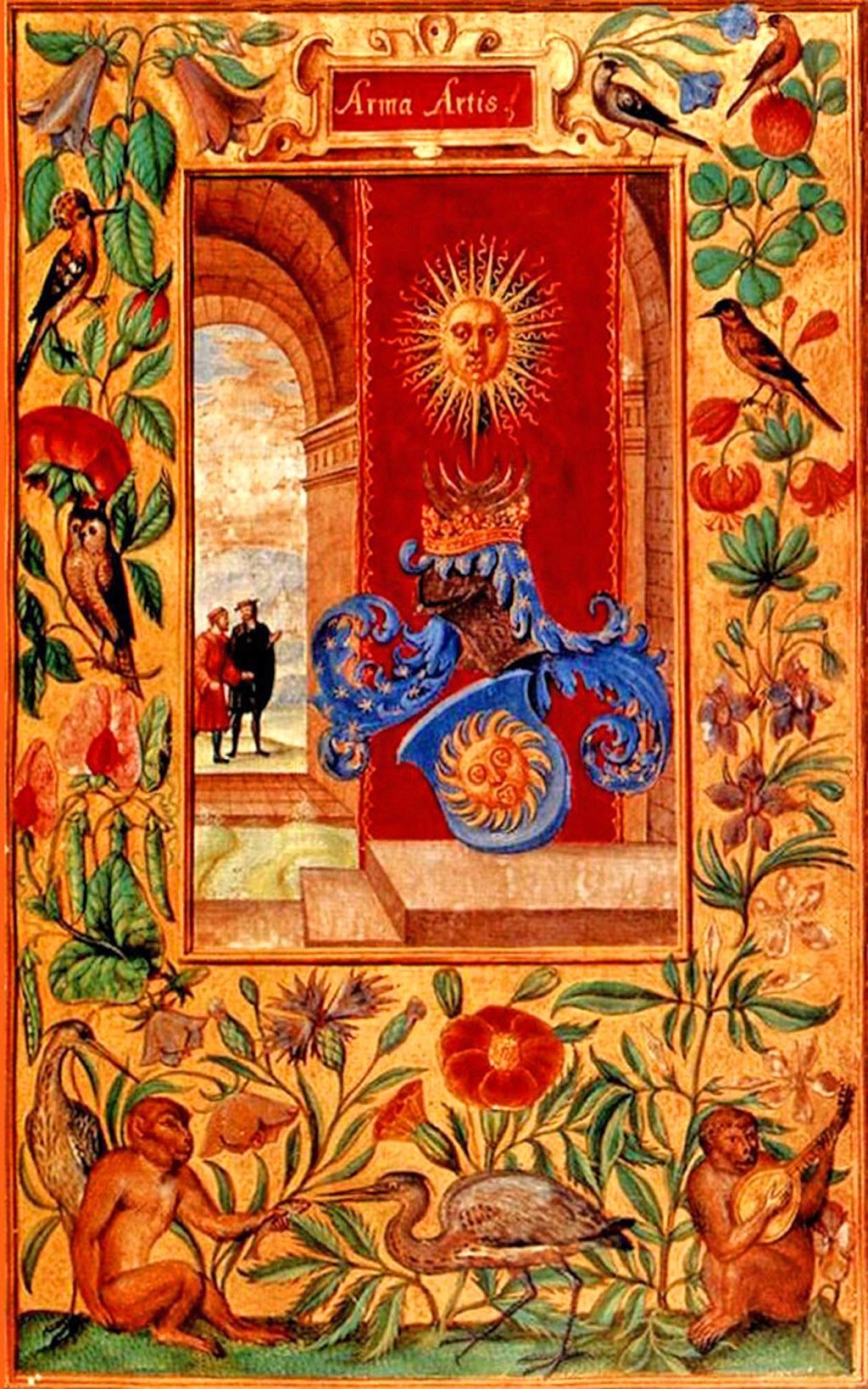
c. 1582
The Arms of the Art
The Great Work opens with a coat of arms.
The Arms of the Art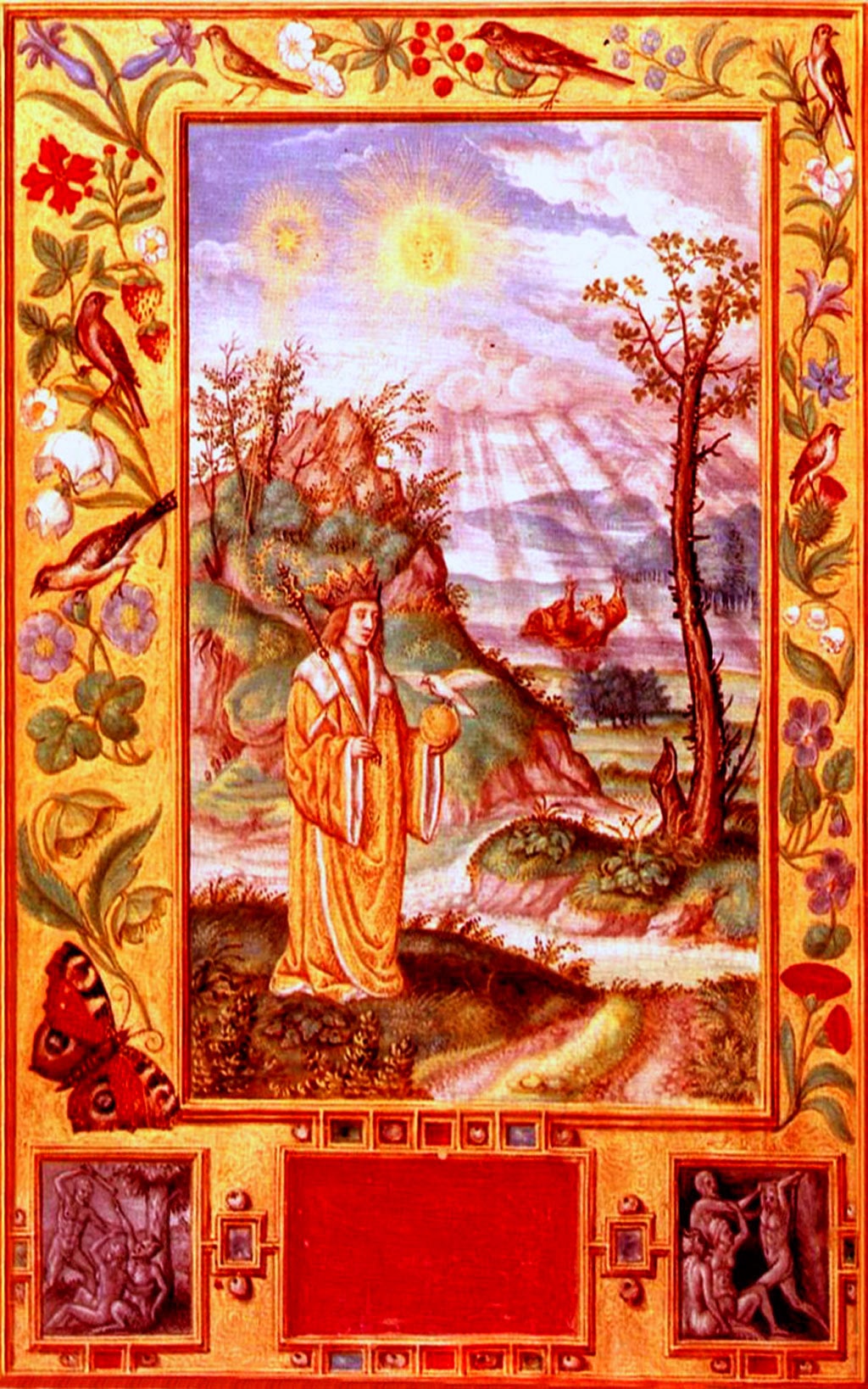
c. 1582
The Drowning King
The old king undone, so something new can be drawn out.
The Drowning King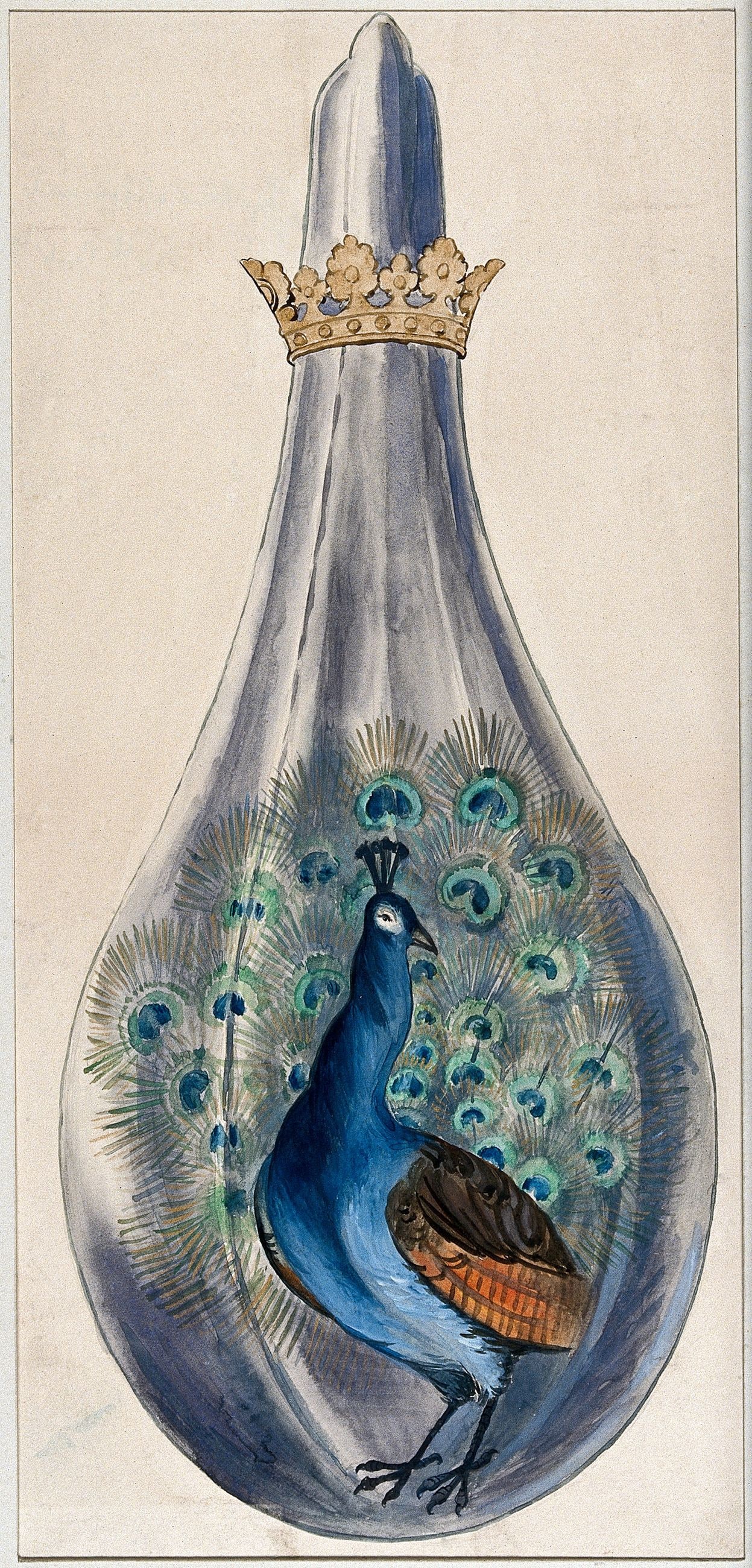
c. 1582
The Peacock's Tail
A flask that becomes a little theatre of colour.
The Peacock Flask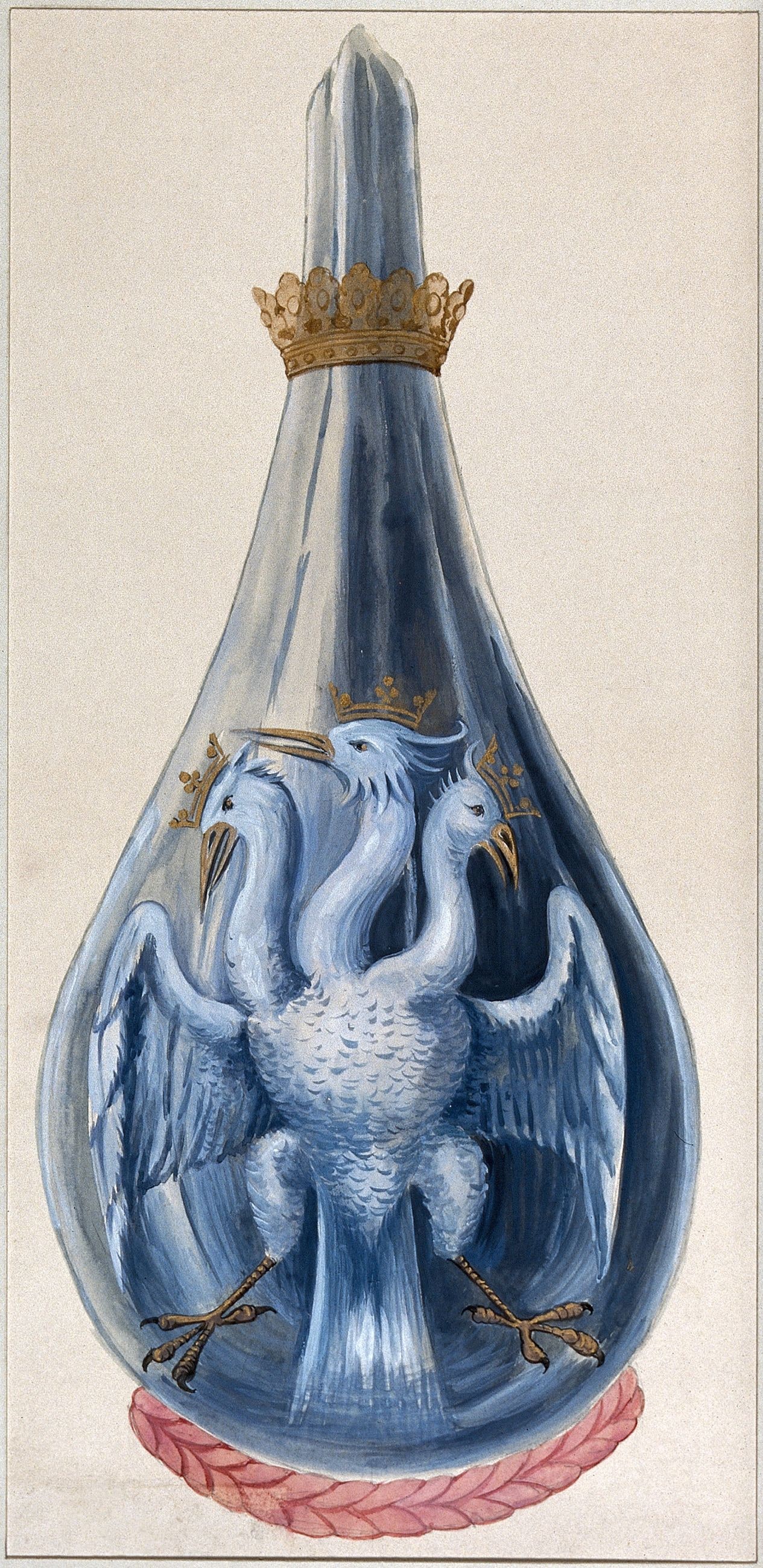
c. 1582
The Planetary Flasks
The stages of the Work, sealed inside enchanted spheres.
The Planetary Flasks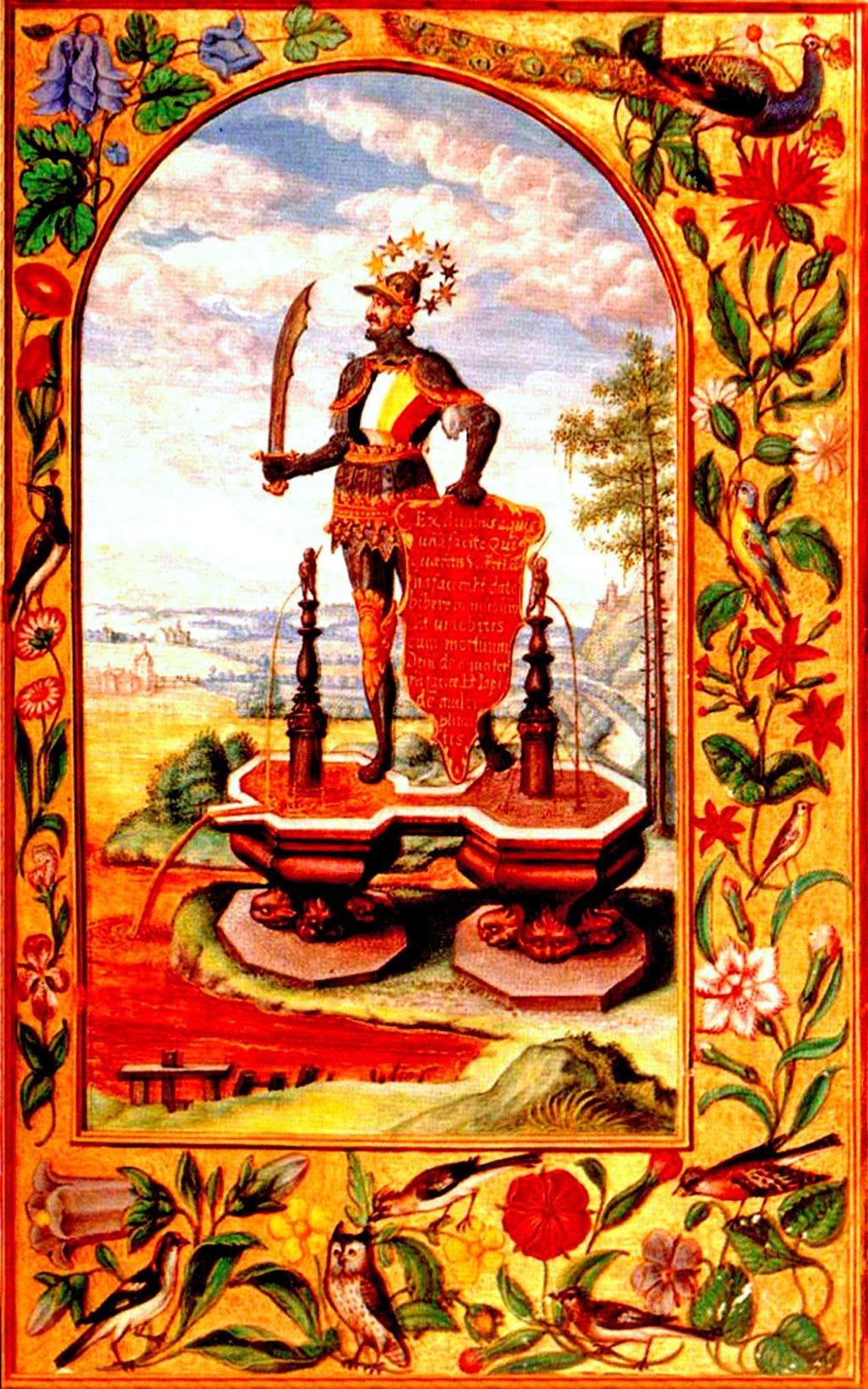
c. 1582
The Knight of the Double Fountain
Two waters, red and white, and the marriage they promise.
The Knight of the Two Fountains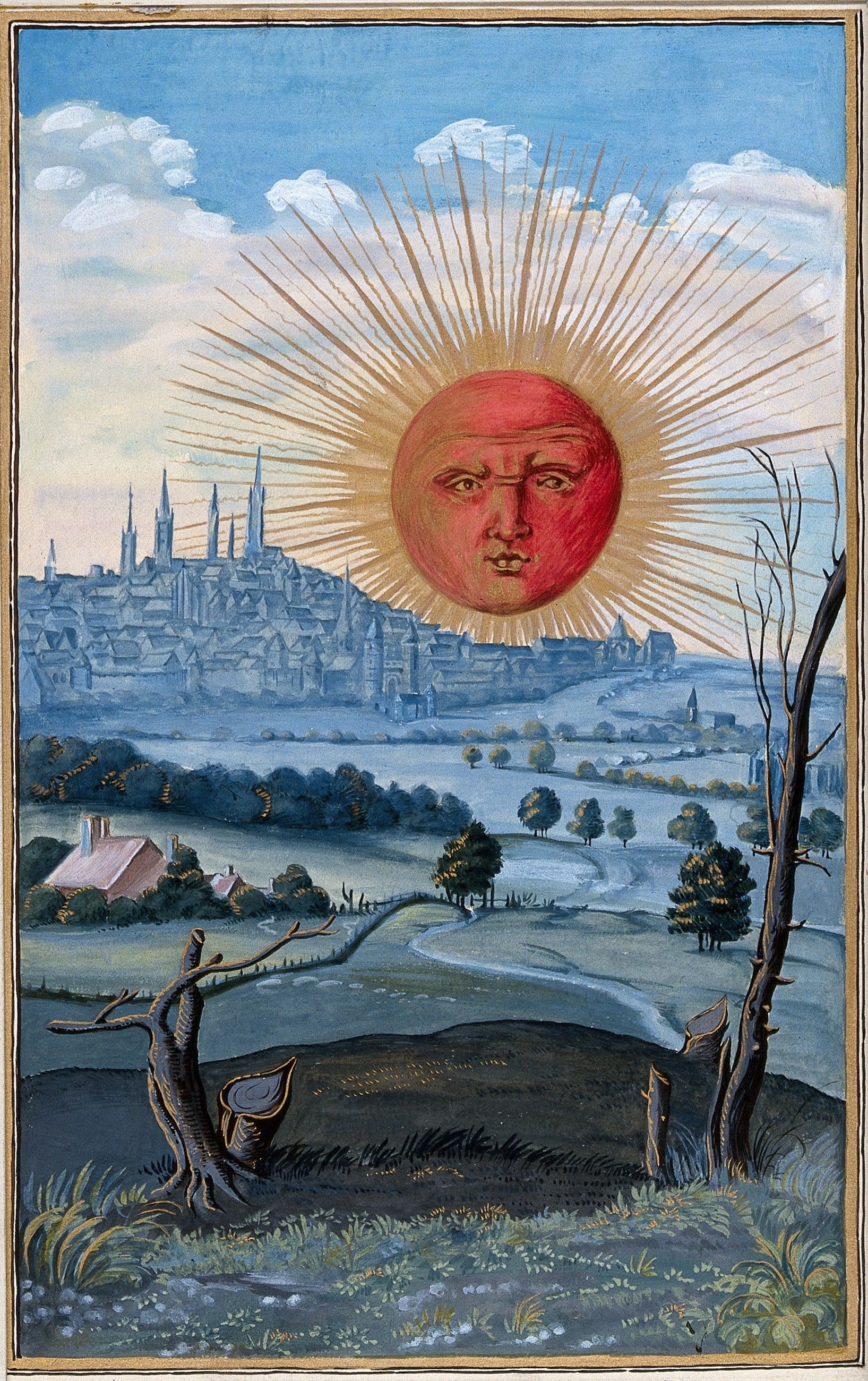
c. 1582
The Sun over the City
The plate that gives the manuscript its name.
Splendor Solis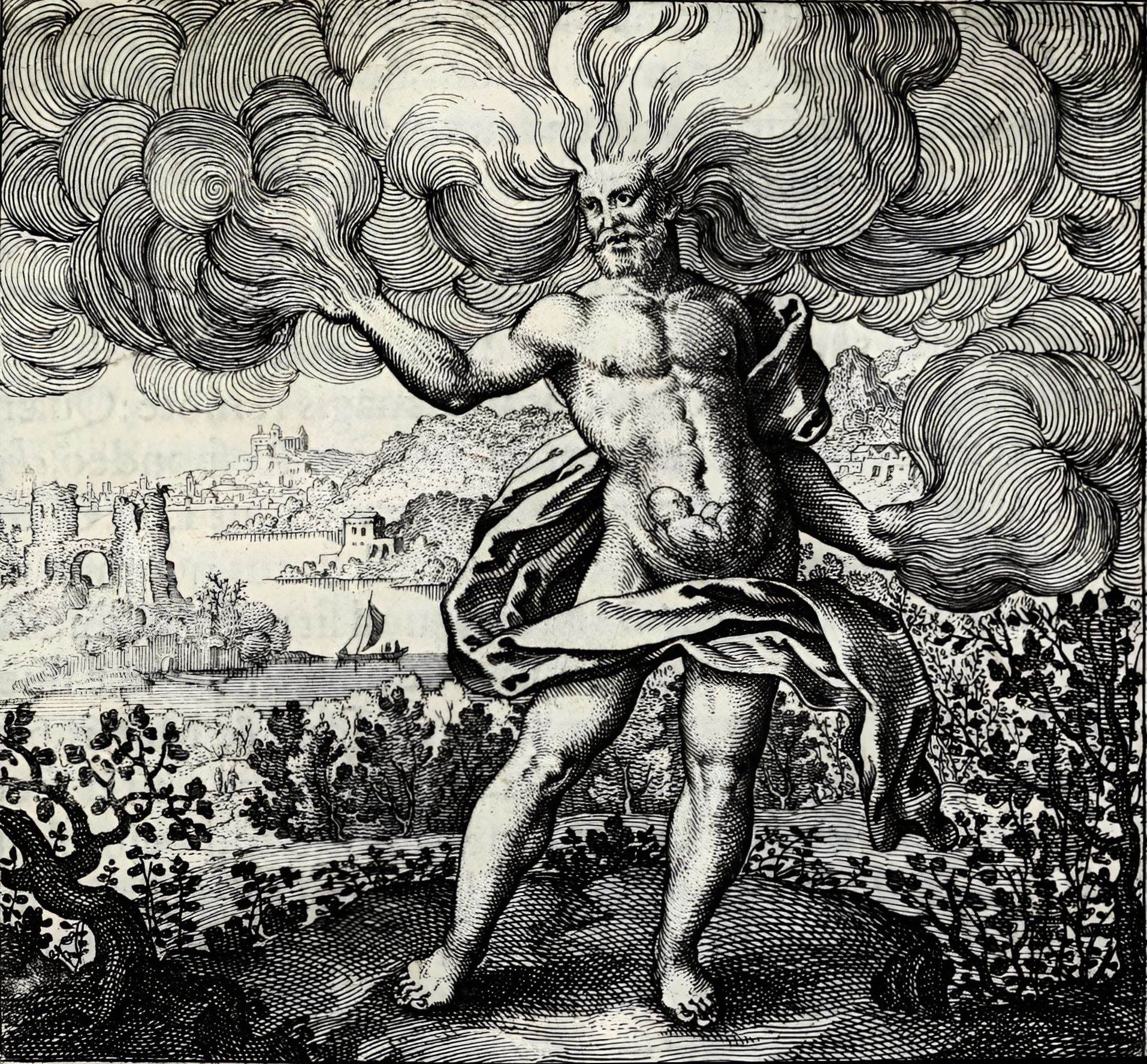
1617
Emblem I — The Wind in the Belly
Birth from air: the embryo of the Work borne on the world’s breath.
Emblema I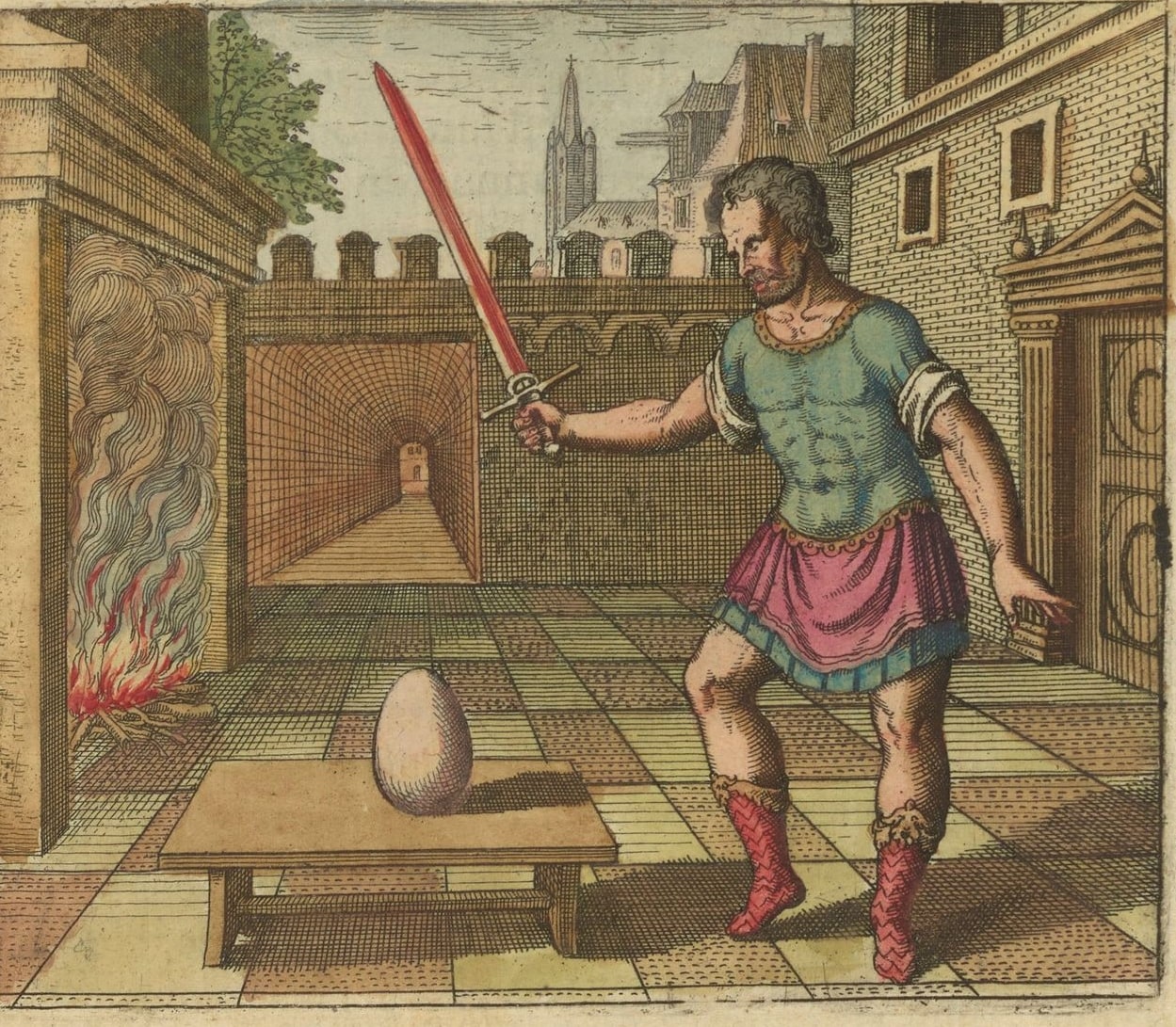
1617
Emblem VIII — The Egg and the Sword
A diagram you were meant to hear as well as see.
Emblema VIII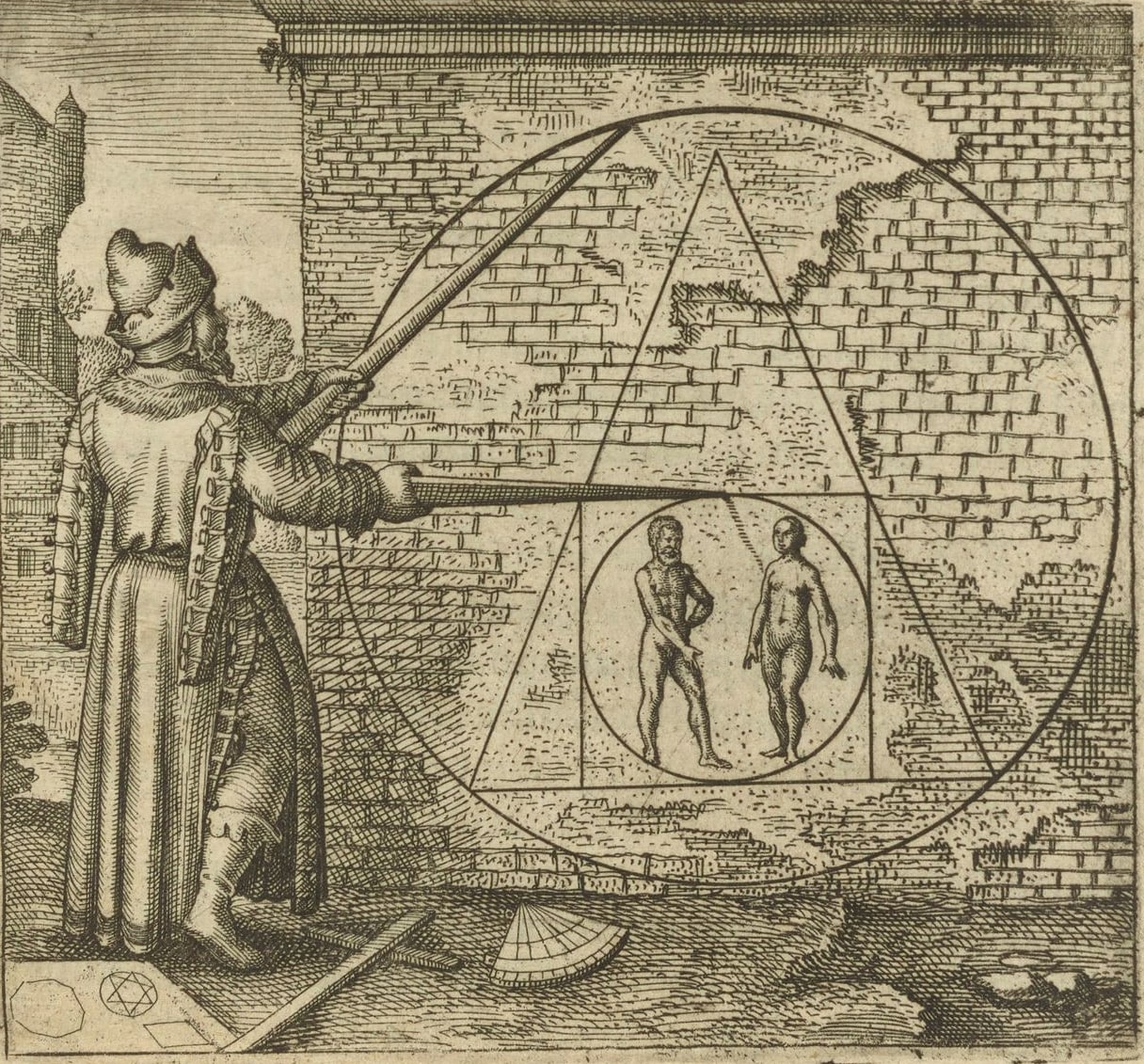
1617
Emblem XXI — Squaring the Circle
The most famous diagram in alchemy.
Emblema XXI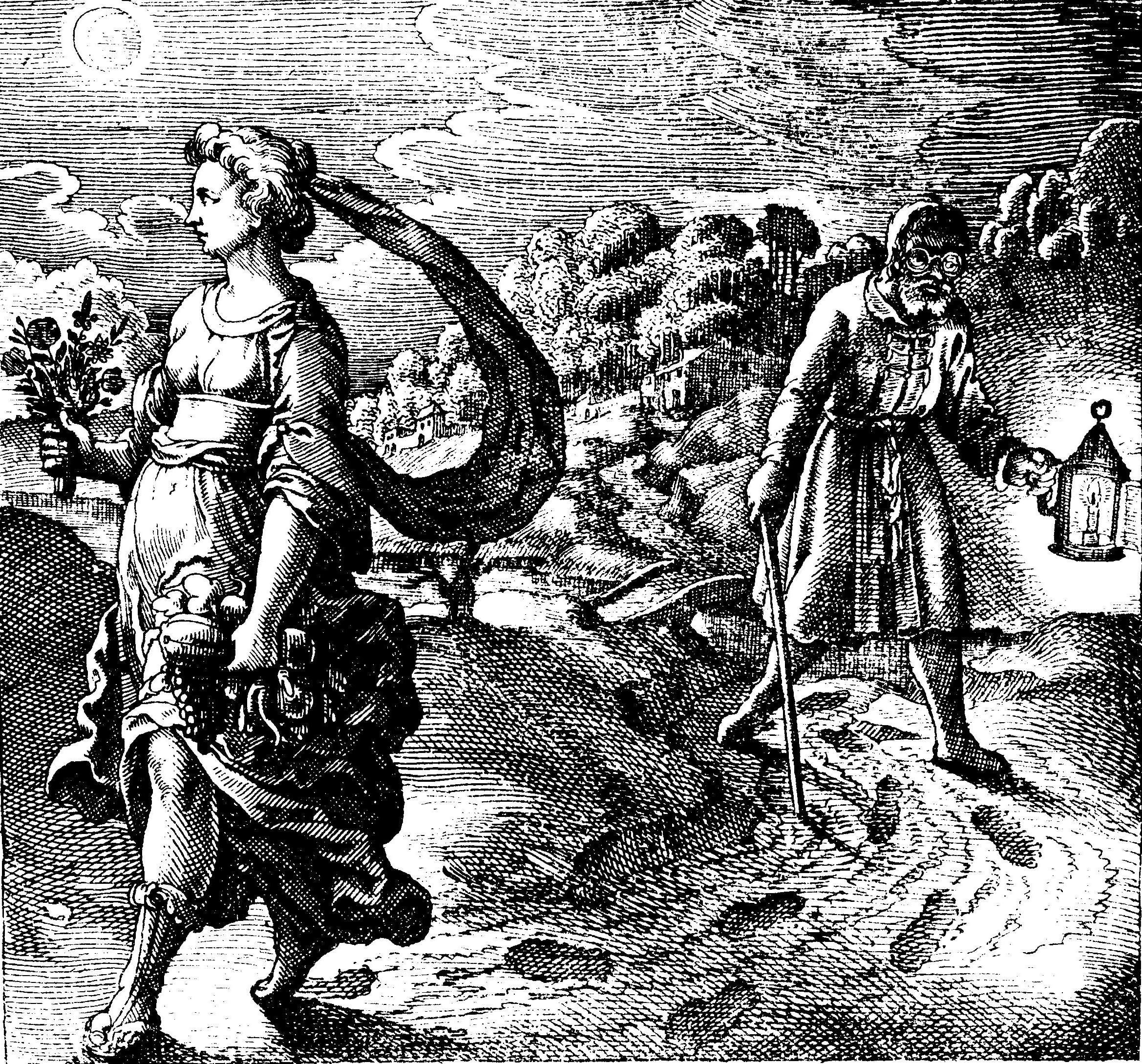
1617
Emblem XLII — Nature as Guide
Not a riddle but a rule: track Nature, patiently, by your small light.
Emblema XLII